
 Farid
Farid
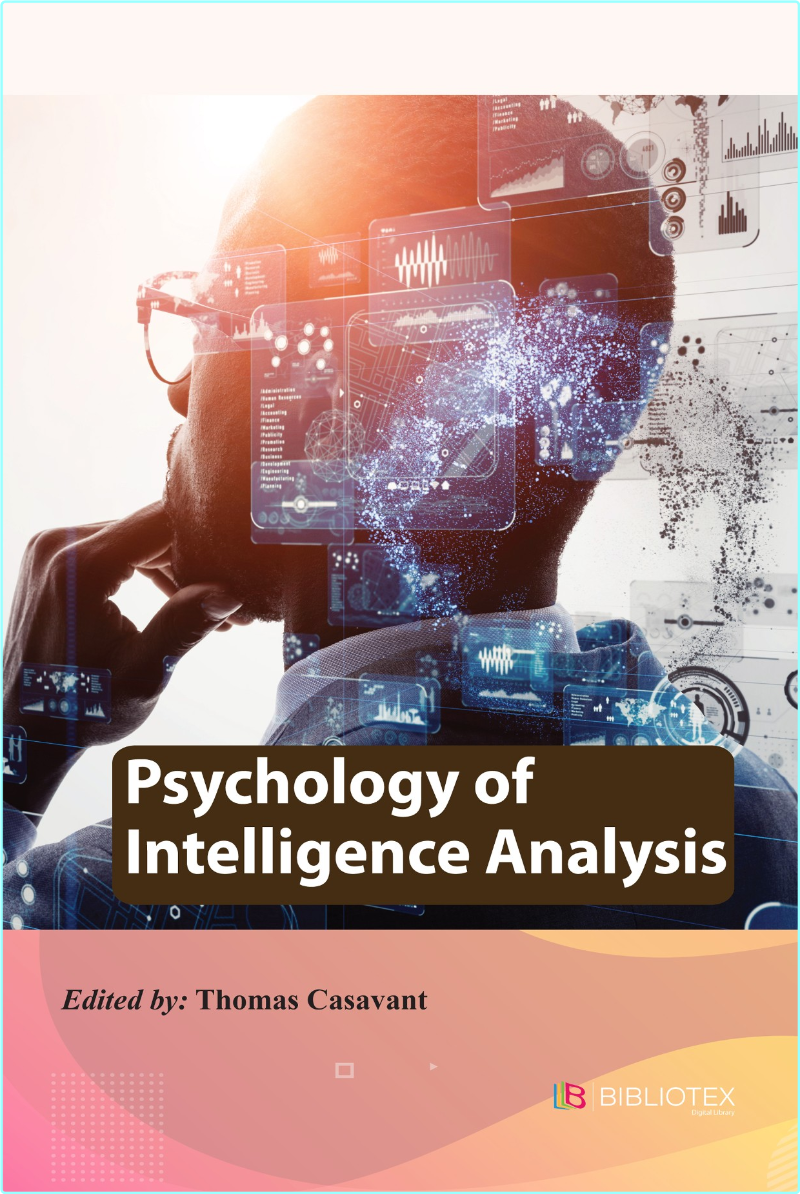
Thomas Casavant | 2022 | ISBN: 1682507963 | English | 306 pages | ePUB | 19 MB 1684224128
Catergory: Psychology, Reference, Nonfiction
Psychology is a social science dedicated to the study of the human mind, its functions and processes, and the resulting behaviors of human beings. It is a vast, complex and growing field that has generated multiple sub-disciplines and areas of specialization. While intelligence is one of the most talked about subjects in psychology, there is no standard definition of what exactly constitutes intelligence. Some researchers have suggested that intelligence is a single, general ability. Others believe that intelligence encompasses a range of aptitudes, skills, and talents. Intelligence has been a controversial topic throughout psychology’s history. Despite the substantial interest in the subject, there is still considerable disagreement about what components makeup intelligence. Intelligence analysis is a decision-making process rife with ambiguous, conflicting, irrelevant, important, and excessive information. The Intelligence Community is primed for psychology to lend its voice to the "analytic transformation" movement aimed at improving the quality of intelligence analysis. Traditional judgment and decision making research serves as a starting point, though recent developments in decision science advance additional relevant perspectives that are critical to improving intelligence analysis. Naturalistic decision making offers insights into the challenging information world of intelligence analysis and expert judgment.
This book will discuss different aspects of intelligence of contemporary importance: theories of intelligence, biological bases of intelligence, heritability of intelligence, and race differences in intelligence. Intelligence analysts, in seeking to make sound judgments, are always under challenge from the complexities of the issues they address and from the demands made on them for timeliness and volume of production. The book will provide a theoretical overview of the intelligence, including psychology of intelligence, types of intelligence methods, tools and techniques, basic writing and briefing skills, and basic data management strategies and tools. The purpose of this book is to provide a comprehensive introduction to the complex concept of Intelligence and the concern that has been developed for its structure and measurement. This book focuses on single-factorial, multifactorial theories of intelligence and alternative intelligence models. The information in this is based on cognitive psychology concerning how people process information to make judgments on incomplete and ambiguous information.
Contents of Download:
📌 Psychology Of Intelligence Analysis.pdf (Richards J. Heuer) (2019) (19.55 MB)
————————————*****————————————
⭐️ Psychology Of Intelligence Analysis ✅ (20.63 MB)
RapidGator Link(s)
https://rapidgator.net/file/dc29dc4d315ce6d9eb176be382d3fabb/Psychology.Of.Intelligence.Analysis.rar
NitroFlare Link(s)
https://nitroflare.com/view/FB1F2BAB4E3B266/Psychology.Of.Intelligence.Analysis.rar?referrer=1635666